
FHSA
First home in the next 5 years? The FHSA is probably your best move
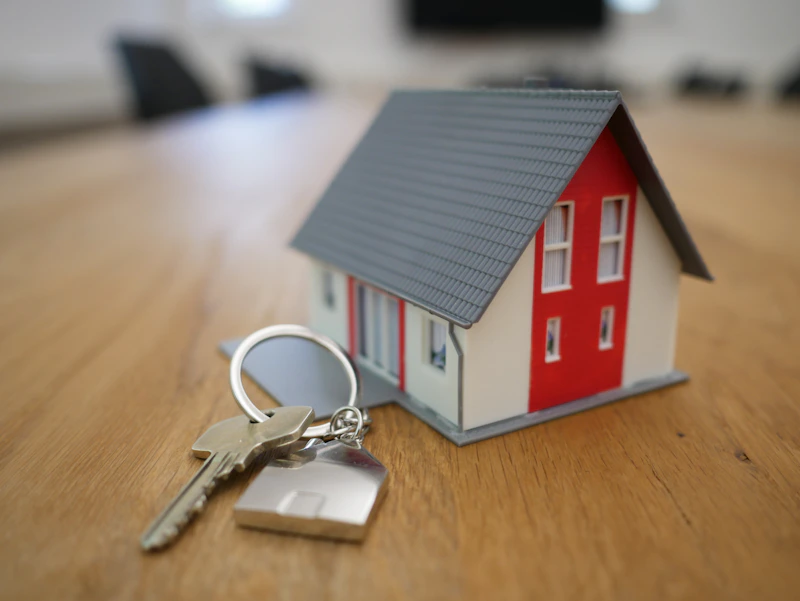
The First Home Savings Account — FHSA — gets you a tax deduction when money goes in and tax-free withdrawals when it comes out for your first home. It's the best of both registered accounts rolled into one, with a catch that matters more than most banks mention.
You have 15 years to use it. If you don't buy a qualifying home by then, everything gets transferred to your RRSP or RRIF and you lose the tax-free withdrawal benefit forever.
How the FHSA actually works
You can contribute up to $8,000 per year, with a $40,000 lifetime limit. The contribution gets deducted from your taxable income — same as an RRSP — so at $75,000 income in Ontario, a full $8,000 contribution saves you roughly $2,400 in taxes.
When you withdraw for your first home purchase, neither the contributions nor any growth get taxed. That's the TFSA side of the equation.
The account can hold the same investments as your RRSP or TFSA: cash, GICs, stocks, bonds, ETFs, mutual funds. Most banks will try to sell you their mutual funds, but you can hold a simple broad-market ETF and avoid the fees.
Who qualifies
You need to be a first-time home buyer, which means you haven't owned a home anywhere in the world in the current calendar year or the previous four years. If you owned a condo in 2020 and sold it, you'd qualify again starting in 2025.
You can open an FHSA starting at 18, but the 15-year clock starts ticking the moment you make your first contribution — not when you open the account.
The 15-year deadline nobody talks about
You have 15 years from your first contribution to make a qualifying withdrawal. Miss that deadline and your FHSA gets collapsed. All the money transfers to your RRSP or RRIF, which means you'll pay tax when you eventually withdraw it in retirement.
At $75k in Ontario, that turns a tax-free withdrawal into one taxed at roughly 30%. TaxSplit.ca shows you exactly what the RRSP refund would be worth today versus what you'd pay in taxes later.
FHSA versus RRSP for home buying
The RRSP Home Buyers' Plan lets you borrow up to $60,000 from your RRSP tax-free, but you have to pay it back over 15 years. Miss a payment and it gets added to your taxable income that year.
The FHSA gives you $40,000 you never have to pay back. If you're planning to buy within 15 years and qualify as a first-time buyer, the FHSA wins.
What happens if you don't buy a home
You have a few options before the 15-year deadline hits. Transfer everything to your RRSP with no immediate tax consequence, though you'll pay when you withdraw in retirement. Transfer to your RRIF if you're 71 or older. Or close the account and pay tax on everything as income that year.
None of these are catastrophic, but they do eliminate the tax-free withdrawal benefit that makes the FHSA worth using in the first place.
The contribution room you can't get back
Unlike TFSA room, unused FHSA contribution room doesn't carry forward indefinitely. You get $8,000 per year while the account is open, up to the $40,000 lifetime maximum. If you don't contribute in a given year, that room disappears.
There's one exception: if you open the account but don't contribute, you can carry forward up to $8,000 to the following year. After that, use it or lose it.
When to choose FHSA over TFSA
If you're definitely buying a first home within 15 years, contribute to your FHSA first. The tax deduction makes it more valuable than a TFSA for the same dollars, and you get the same tax-free withdrawal.
If you're not sure about buying, or you might not qualify as a first-time buyer, stick with the TFSA. The flexibility is worth more than the upfront deduction if there's a chance you won't use the FHSA for its intended purpose.
For most first-time buyers earning above $50k, maxing the FHSA before contributing to either RRSP or TFSA makes sense — as long as that 15-year deadline doesn't make you nervous.